
State policymakers are increasingly asked to weigh in on autonomous vehicle policy, often with limited time to become experts on complex technology and evolving federal-state regulatory dynamics.
The AVIA State Policymaker Toolkit solves this challenge by distilling years of industry knowledge, real-world deployment data, and policy expertise into accessible resources designed for busy policymakers and their staff.


When we talk about autonomous vehicles, or AVs, we’re referring to vehicles that can perform the driving task without human control. But not all automation is the same.

Autonomous vehicles operate using technology that allows them to perceive the environment, predict what will happen, and safely navigate the road without human intervention. So how do they do it?
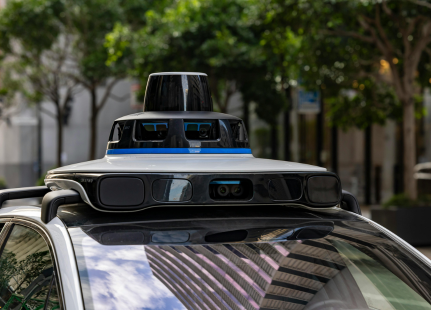
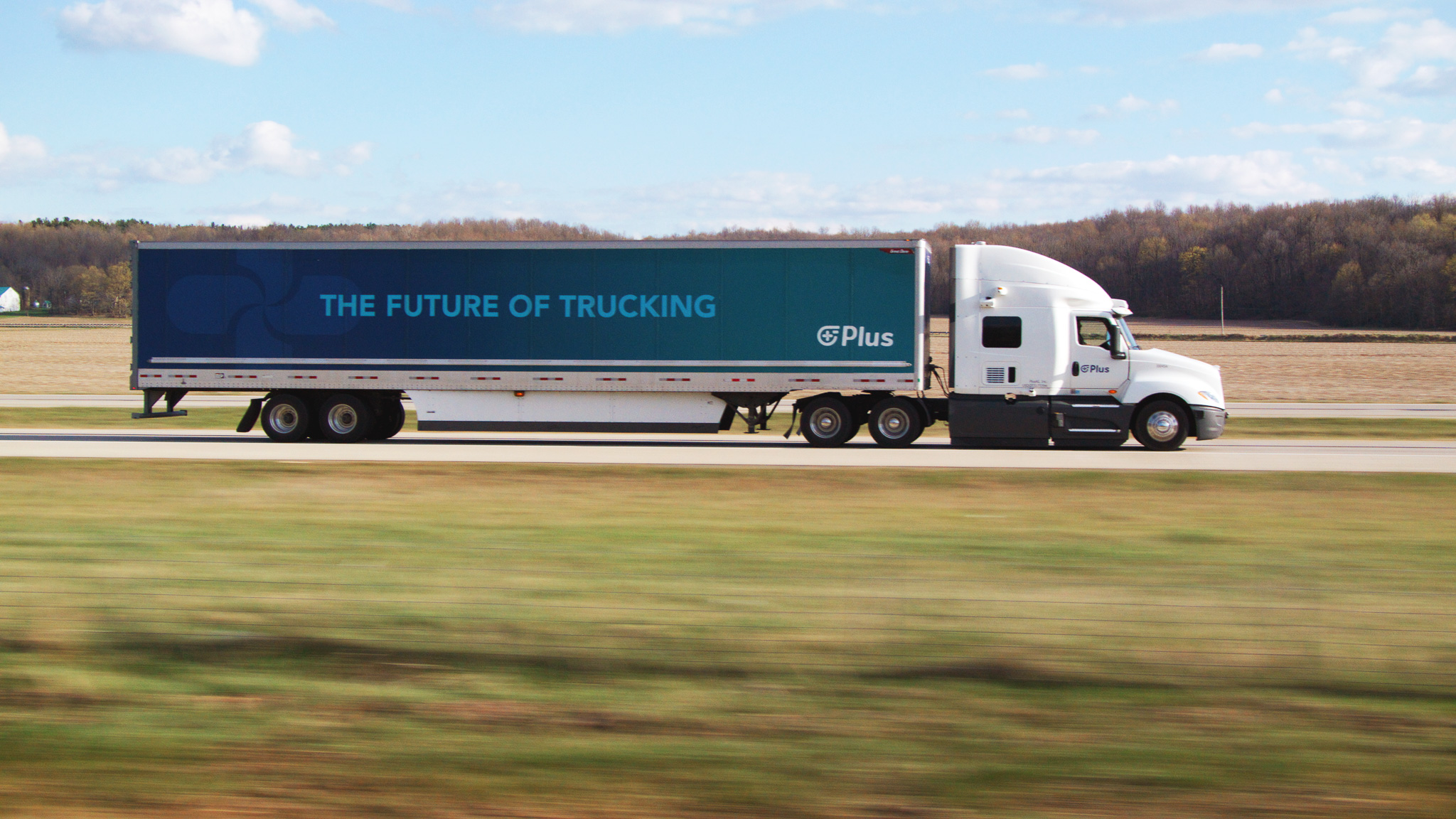
In cities and states across the country, autonomous vehicle companies are deploying AVs to move people and goods safely and efficiently.

While the United States leads the world in commercial autonomous vehicle deployment, China is investing heavily to compete and to expand its AV presence globally.

In the United States, regulation of autonomous vehicles is a shared responsibility between the federal government and the states. Each has a distinct and essential role.

Keep up to date with the latest news from the Autonomous Vehicle Industry Association (AVIA).


.png)