
.svg)
By Jeff Farrah, CEO, Autonomous Vehicle Industry Association
I’ve often said that the autonomous vehicle industry is an “engagement first” industry. We show up, we partner, we learn, and we grow. This ethos is how the industry approaches its relationship with law enforcement and first responders. Members of the Autonomous Vehicle Industry Association (AVIA) continuously engage with our nation’s first responders to ensure autonomous vehicles are safely integrated into American communities.
This isn’t an afterthought. Before a single driverless vehicle carries a passenger or a package, AVIA members are already in the room with police officers, firefighters, and EMTs explaining how autonomous technology works and, most importantly, listening to what these professionals need to do their jobs safely. The autonomous vehicle industry believes strongly that trust has to be earned, and we are working to earn it every single day.
In my capacity leading AVIA, I have the privilege of working closely with many first responders across the country. I have some in my family as well. One persistent theme that emerges from the first responder community is that they are sick and tired of the status quo of 40,000 deaths each year on our roads due to reckless behavior like impaired and distracted driving. First responders are often the first people to see the human toll of vehicle crashes and they are desperate for a better way. I have heard first-hand from many first responders that they see incredible potential in autonomous driving to address roadway fatalities and serious injuries. But we cannot bring autonomous technology to the public without our first responder partners.
Within AVIA’s membership are diverse companies that are approaching autonomous deployment in a variety of ways. That said, there are some consistent themes I’ve seen in the ways AV companies approach their dialogue with first responders, including:
The above points demonstrate the industry’s commitment to deep engagement and how our work is informed by first responders.
To further industry cooperation with first responders, AVIA has established our Law Enforcement and First Responder Council. This critically important council was one of many announcements AVIA made in establishing our TRUST Principles, the public framework for how the AV industry engages with government, communities, and the public.
The AVIA Law Enforcement and First Responder Council is a forum that brings together police officers, firefighters, paramedics, and AV industry representatives, providing first responders with a direct channel into the industry to discuss areas of cooperation and dialogue. Members share what they are seeing in the field and discuss how the industry can be a strong partner to first responders nationwide. That input shapes training, technical standards, and the interaction protocols that companies build into daily operations.
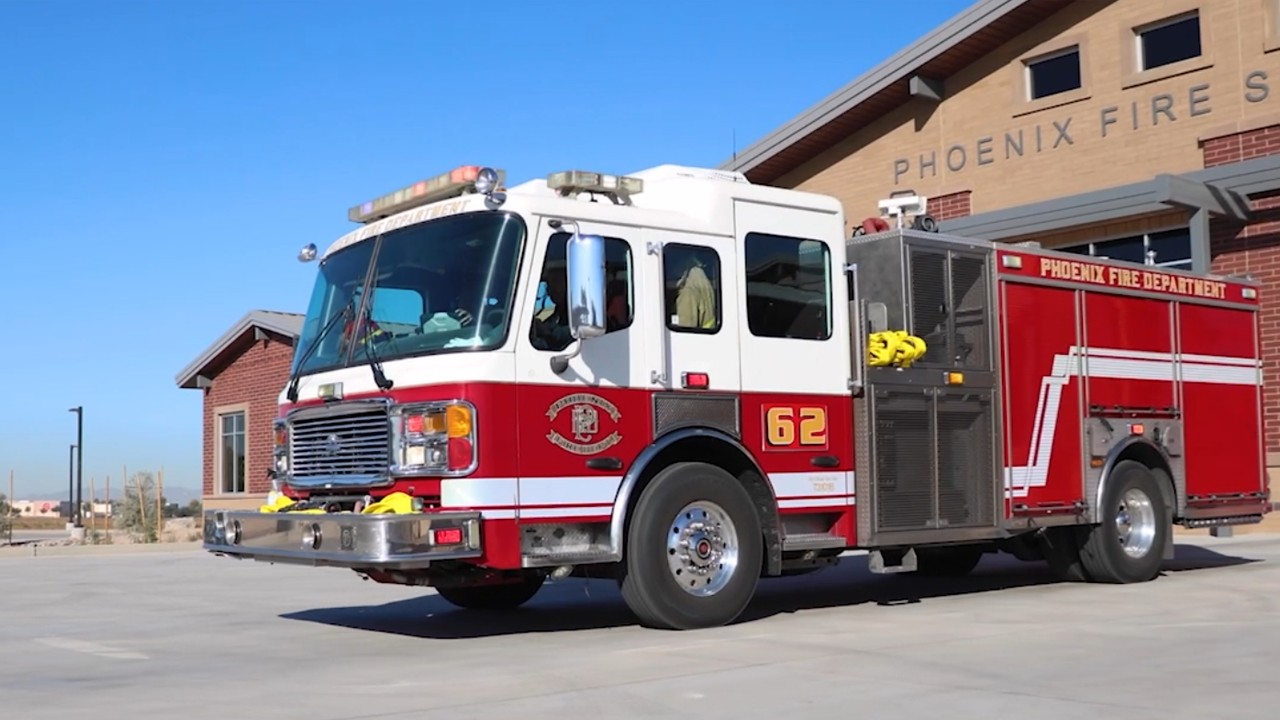
One of the public sector members of the Council is Reda Riddle-Bigler, the Assistant Chief of the Phoenix Fire Department. Her work in Phoenix was featured in this year’s State of AV report, where she said the Council is “bridging the gap between autonomous vehicle developers and the first responder community by bringing the stakeholders together to address current challenges and discuss emerging developments."
Beyond industry initiatives, state policymakers have an important role to play in first responder engagement with AV companies. For many years, AVIA has strongly supported state legislation requiring AV operators to create a First Responder Interaction Plan (FRIP) before operating a vehicle on public roads without a human driver. At minimum, these plans must explain how to reach a company representative while the vehicle is operating, how to safely remove or tow the vehicle from the roadway, how an officer or firefighter can tell whether the vehicle is in autonomous mode, and any additional information about hazardous conditions the manufacturer believes responders should know.
Today, 26 states have enacted AV deployment statutes, and many of them include some version of this requirement alongside many other requirements for deploying AVs on a given state's roads. AVIA will continue to advocate for requiring a FRIP when a state authorizes AVs on its roads.
Going forward, the AV industry will continue these practices as the technology deploys in new parts of the country. Our industry will take learnings from ongoing deployments that will benefit first responders and the public in the next phase of deployments. We will continue to listen to both what’s working and what needs to be improved from a first responder perspective. Engagement is part of our DNA—yesterday, today, and tomorrow.


Keep up to date with the latest news from the Autonomous Vehicle Industry Association (AVIA).