
.svg)
By Jeff Farrah, CEO, Autonomous Vehicle Industry Association
AVIA’s third annual State of AV report shows an industry that has moved into the commercialization era of autonomous vehicles. Autonomous vehicles have now driven hundreds of millions of miles on American roads, a 2.5x increase from a year earlier. Robotaxis are operating commercially across the country and autonomous trucks haul freight across state lines. For millions of riders, this technology has become part of daily life.
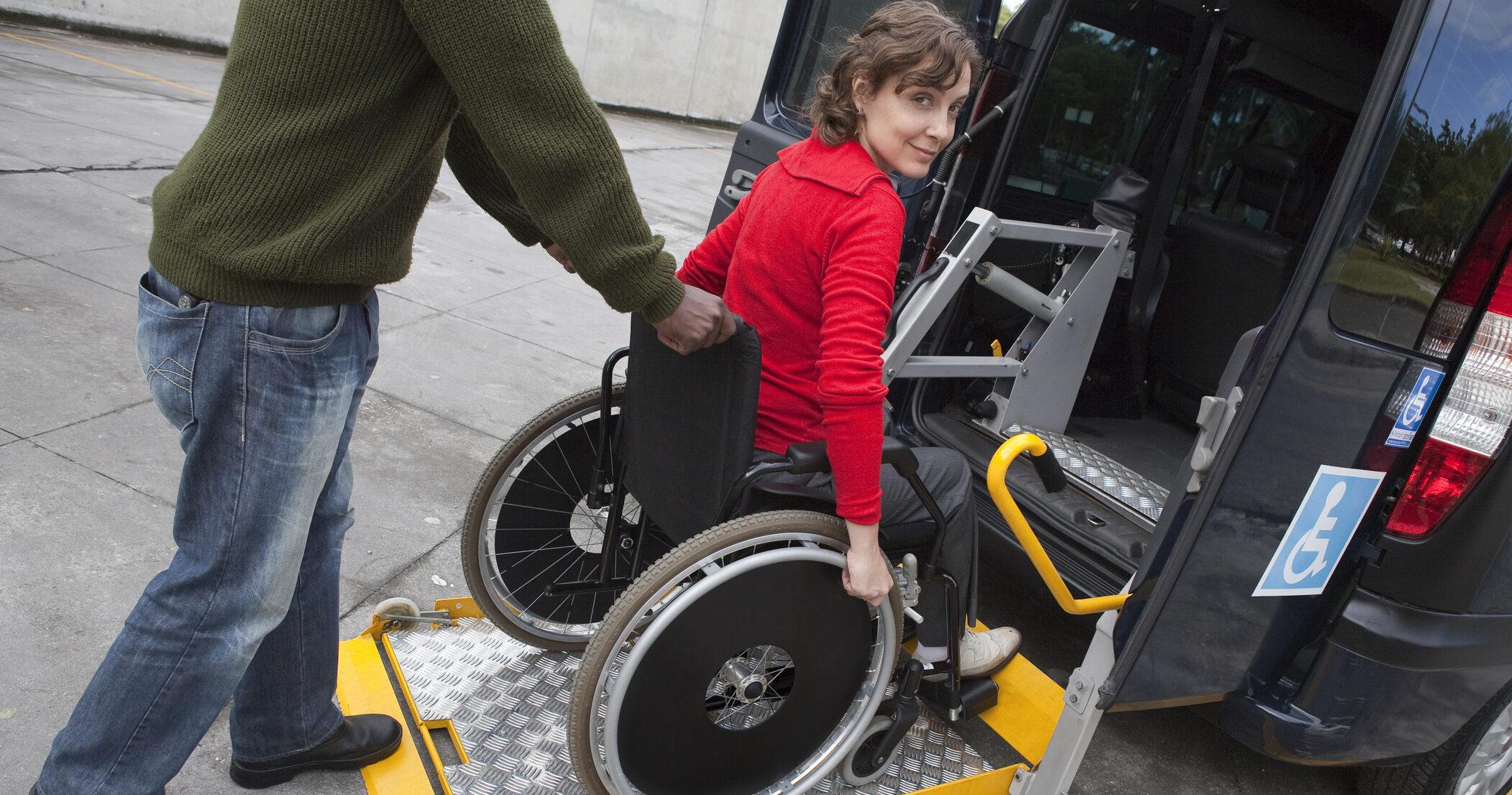
But the AV industry must continue to innovate to make sure all Americans, including those who rely on wheelchairs, can access the technology.
Wheelchair users typically depend on a driver or caregiver to strap their chair down with a four-point tie-down system, a process that takes time, requires training, and is too often done incorrectly. Frustratingly, 75% of wheelchair users report being improperly secured, creating an unsafe environment for everyone in the vehicle. For wheelchair users to access an AV, and benefit from the safer roads these vehicles can create, we need a system that allows riders to enter the vehicle on their own and secure themselves. This will truly unlock autonomy for wheelchair users and create a new paradigm in transportation.
AVIA is a proud partner in United Spinal Association's SecureRide Coalition, which has brought together wheelchair manufacturers, automakers, AV companies, and disability advocates to advance independent securement of wheelchairs. While AVIA’s focus is on how independent securement can be used in autonomous vehicles, the concept of independent securement could be used across an array of vehicle modes, including airplanes and trains. In addition to AVIA, several of our members, such as GM, MOIA, Waymo, Zoox, and Uber, have joined as SecureRide members, working together to accomplish milestones in SecureRide’s agenda.
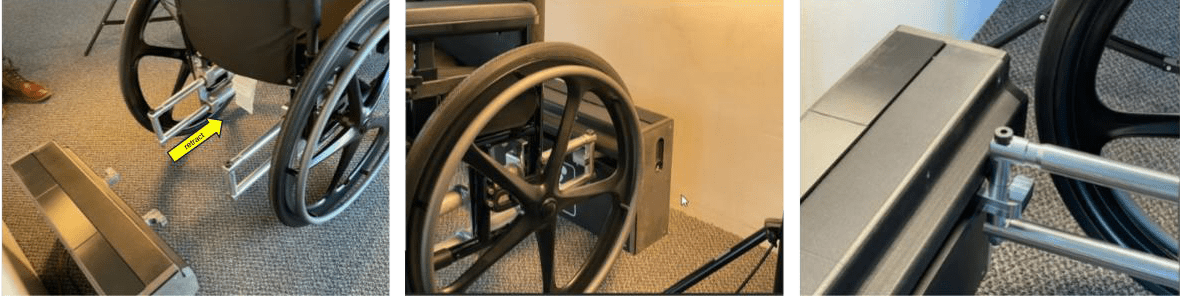
The coalition is working to create a Universal Docking Interface Geometry (UDIG) standard, which would allow a wheelchair user to dock and lock into place on their own in seconds, with no driver or caregiver required. According to SecureRide, UDIG, “promotes independence and spontaneity, allowing wheelchair users the freedom to travel when and where they want. This unlocks opportunities for employment, community engagement, and personal fulfillment."
The U.S. Department of Transportation estimates that 25.5 million Americans live with travel-limiting disabilities, and roughly 560,000 people with disabilities never leave their homes due to transportation difficulties. What’s more, over 7.6 million Americans live with significant vision impairment, a condition that can make driving impossible. These gaps show up directly in employment: only 22.8 percent of people with disabilities were employed in 2025, according to the U.S. Bureau of Labor Statistics, compared to 65.2 percent of people without a disability.
The National Disability Institute projects that wider AV deployment could produce 4.4 million direct jobs for people with disabilities, adding an estimated 3.8 percent, or nearly $867 billion, to U.S. GDP. Separately, inadequate transportation causes an estimated 11.2 million missed medical appointments a year among people with disabilities, costing the healthcare system roughly $19 billion annually. Independent mobility is not a ‘nice-to-have’ for this community. It is a gateway to work, medical care, and full participation in daily life. Solving wheelchair securement is a critical step that turns AV deployment into a pathway to greater independence for wheelchair users.
AVIA joined the SecureRide Coalition because we want to see autonomous vehicles available to anyone who wants to use them. Independent securement of wheelchairs requires collaboration between wheelchair manufacturers, vehicle makers, AV developers, and federal regulators.
We are proud to stand with the United Spinal Association and the other members of this coalition. For millions of Americans, it will be the difference between watching this technology pass by and using it to get to work, see a doctor, or simply leave the house on their own terms. That is the future AVIA is working toward.
Learn more about the SecureRide Coalition here.


Keep up to date with the latest news from the Autonomous Vehicle Industry Association (AVIA).